Follower count matters least here
Reach is decided video by video, not per account. A shop with two hundred followers can out-reach one with twenty thousand on any given day, which is why it is the best place to start from zero.
What TikTok rewards
Rough and specific beats polished and generic on this platform, regularly.
- A hook in the first second, not the first five.
- Speaking to one person, not addressing an audience.
- Local details: the neighbourhood, the price, the actual product.
- Replying to comments with a new video, which the platform pushes.
Post more here than anywhere else
Because reach is decided video by video, volume is a real strategy on TikTok in a way it is not on Instagram. More attempts means more chances one gets picked up.
Send them somewhere
Views without a next step are entertainment. Put your location, your price, or your Instagram in the video itself, because most viewers never open your profile.
Bad line, good line.
"Hello everyone, today I will be showing you our new collection."
"This costs NPR 900 and sells out every single week."
Replying to a good comment with a text reply.
Replying to it with a video, which the platform pushes further.
Worked example: two weeks from zero followers
And what it does not
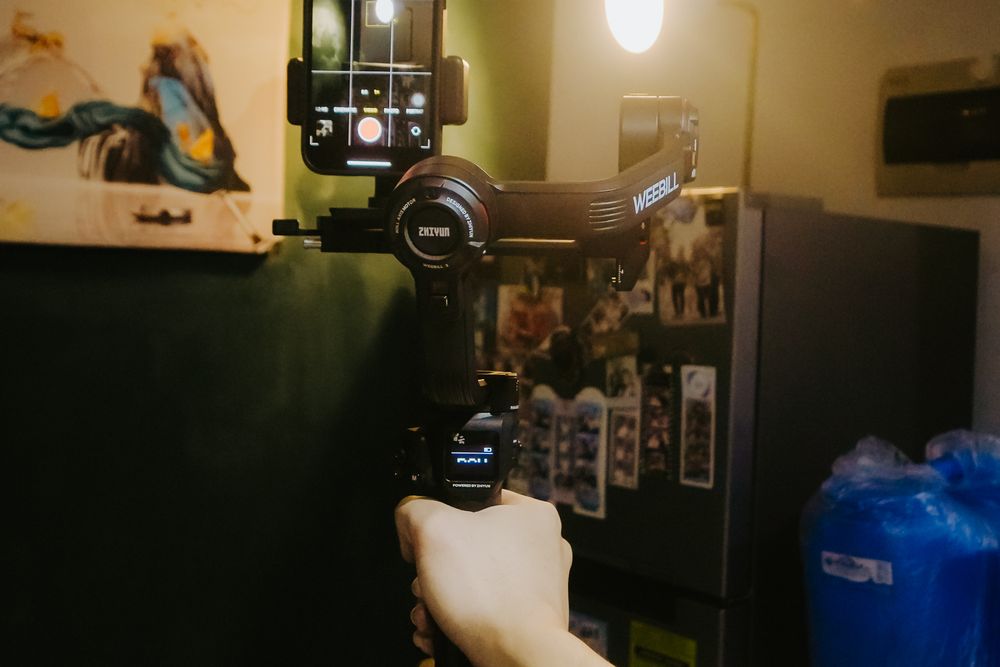
Handheld, unlit, unpolished is fine.
No intro, no logo, no music-only.
Volume still decides the ceiling.
TikTok does not care how many followers you have. It cares whether people watched.
Three things you can do now.
We do this every month for clients.
Scripts, filming, editing, posting, and a simple monthly report. Our prices are on the pricing page.